 While we look not at the things which are seen, but at the things which are not seen: for the things which are seen are temporal [temporary]; but the things which are not seen are eternal. (2 Corinthians 4:18 KJ2000)
A few mornings ago I awoke with the Lord comparing in my mind the vast difference between the Old and New Covenants. As a result I have given much thought to this as of late and how those things which are seen are only temporary and why we find ourselves so absorbed in them. Didn’t Jesus leave us a spiritual kingdom which comes without outward observation?
All of Christendom seems to be absorbed with temporal things and concerned about what we shall eat and what clothes we will wear for each occasion. Why is it that “fellowship” as defined in the church scene is reserved only for those who belong to the same club as us? Yet, IN Christ, all who are born from above are members one of another and IN Him there is neither Jew nor Gentile, slave or free, male or female, of Paul or of Apollos or Cephas, but rather a NEW Creation, the family of God which is not defined by those things which are seen.
In the Old Covenant, human priests stood as mediators between God and man. In the New, Jesus is our ONE Mediator who stands before God as our High Priest ever to make intersession for us.
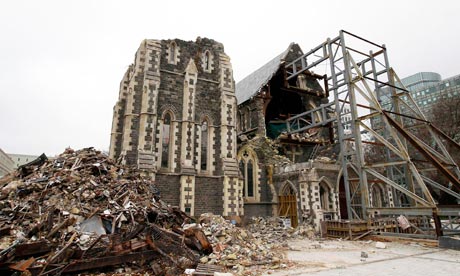
In the old system temples were in a fixed place and static, but in the New there is one temple and it is made from LIVING stones, members of the body of Christ, and it is dynamic, moveable and alive! As much as we are attached to our church buildings I have to wonder what covenant we are really of!
In this NEW Creation, worship is not about being gathered in temples and buildings made for that purpose listening to music that puts us in the mood, but rather true worship comes forth from being transformed from within and takes place in the Spirit and in Truth no matter where we are. Our very lives IN Christ are ones that show forth our worship of the Father who has given us all things IN the Son.
In the Old Covenant the city of God was the Old Jerusalem in Israel and subject to invading armies and the corruption of men. In the New we have a New Jerusalem that is likened to the Bride of Christ which is without spot or blemish which comes down from the throne of God prepared for the Bridegroom, Jesus Christ. In the Old it was a city of blood. In the New it is a city filled with the Life and Light of the Father and the Son.
In the New creation we are no longer dependent on a priestly cast to “do the God stuff” for us, but rather we are ALL a kingdom of priests. The reformation never went far enough, for most of Protestantism is still Catholic in its design. This universal priesthood of the believer also does away with the question of whether “women can be in ministry,” as does the fact that we are all part of a NEW creation IN Christ. The walls of separation between members of Christ’s body are also torn down as was that earthly temple almost 2000 years ago.
In the Old Covenant men offered up animals for sin offerings over and over, but in the New, Christ offered up His own life and blood once for all and did away with that old temple sacrificial system. Yet why do so many Christians get all excited when they hear rumors that another temple is to be built in Jerusalem and the get goose bumps at the thought of the animal sacrifices being resumed? What covenant are they of?
In the Old men gave a tithe of their increase at the temple. In the New Covenant, God is looking for one thing and that is those who present their own bodies as a living sacrifice holy and acceptable unto Him instead of a tenth of their worldly possessions. If God has our hearts, our possessions are His to do with as HE wills and where His love is in operation among us, no one will be found lacking.
In the Old Covenant families were defined by their blood linage. In the NEW we who are Christ’s are closer than any human blood connection. Those who believe IN Christ are of one UNIVERSAL blood type, the blood of Jesus Christ that cleanses us and makes us all one.
In the Old Covenant men were governed by hierarchy in the Jewish system. In the new only One is our Head, Jesus Christ, and we are all brethren (siblings). The multitude that John saw in Revelation before the throne of God stood on a sea of glass… no one was elevated over the other. As Isaiah put it, “and the increase of HIS government there will be no end.”
In the Old Covenant men were concerned about what they ate that they might not become defiled. In the NEW Jesus said, it is not what goes into a man that defiles him, but rather what comes out of his mouth. For out of the mouth comes forth the issues of the heart. Defilement is a heart condition.
In the Old Covenant the Torah was worshiped and given a place of honor and kept locked away except on special occasions only to be read by a priestly cast. In the New we who are Christ’s are Living Letters to be read and seen by all men. The Bible itself is only as useful as its truth is shed abroad in our hearts by the Holy Spirit and I thank God it is as accessible as it is.
In the Old Covenant all teaching was done by men. In the New we have no need that any man teach us, but we who are IN Christ have all receive the anointing of the Spirit and He teaches us all things that we need to know.
In the Old Covenant the ark with its mercy seat where the shekinah glory of God abode was closed off from all men except on one day a year when the high priest entered in through the veil with a blood offering. In the New that veil has been torn from top to bottom as Jesus died on the cross making way for all who believe IN Him to boldly enter into the presence of the Father and His throne of grace.
Jesus told Nathan, “You shall see greater things than these. Truly, truly, I say to you, you will see heaven opened, and the angels of God ascending and descending upon the Son of man.” Ours, dear saints, is an OPEN heaven. Why are we so taken with the things of this earth which shall all be done away with? The time is long overdue when we Christians should be searching our own hearts as to what covenant we are of.





 A Wilderness Voice